Safe Work Practices
For industrial workers operating heavy machinery, safety training is a matter of life and death. However, traditional compliance training often relies on text-heavy, abstract eLearning modules designed for desk workers. When machine operators are forced to navigate clunky computer interfaces to read dense safety manuals, the training becomes a frustrating “checkbox” exercise rather than a life-saving tool.
This project bridges this gap by replacing standard eLearning with a cinematic documentary. It delivers a scenario-driven safety training without the cognitive overload, resulting is a highly accessible, multilingual, and scalable video ecosystem that respects the reality of the factory floor.



The challenge
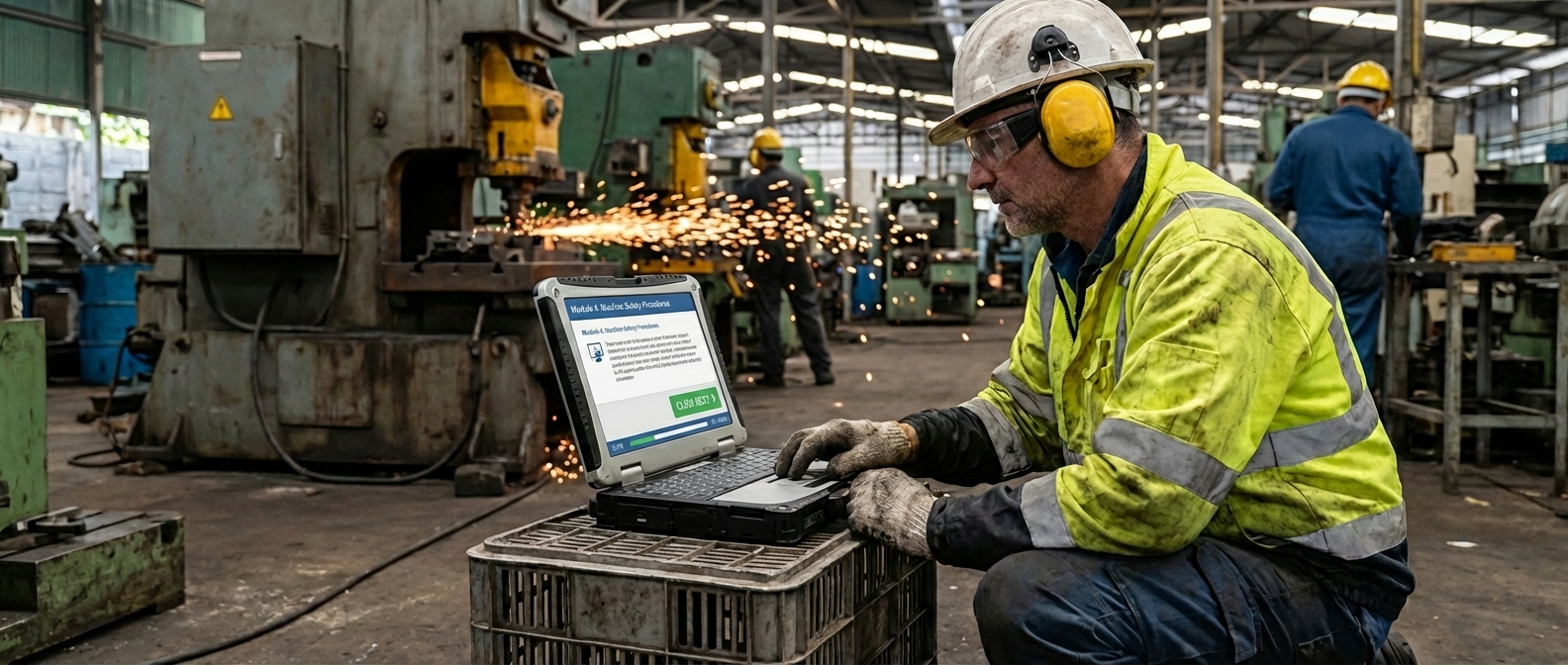
Working with industrial machinery involves inherent risks: stored energy, moving parts, and unexpected startups. A single lapse in judgment, or a bypassed guard, can mean catastrophic injury or an unplanned shutdown.
But the people doing this work are on the floor all day, not behind a monitor. They learn best through clear visuals and real-world scenarios, not by clicking through 40 slides of abstract regulations. That mismatch matters because self-paced e-learning often struggles to hold attention: in a study of 899 occupational safety trainees, self-paced e-learning scored about 10% lower on engagement than instructor-led online training (a −0.52 difference on a 1–6 engagement scale).
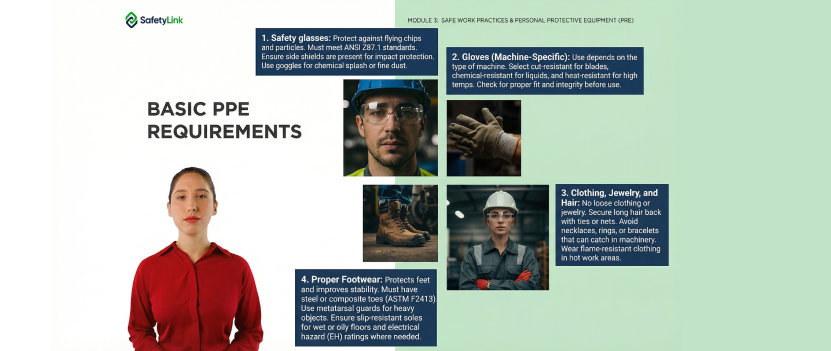
The client’s previous “solution” reinforced that problem: a dense, 3-minute AI-generated video that delivered everything in one uninterrupted dump. With no hierarchy, realistic context, or breathing room, it became a wall of information, easy to skim and easier to forget. The organization needed to break it apart and rebuild it into a digestible learning experience that could actually shift day-to-day safety decisions.
Designing a solution
The strategy
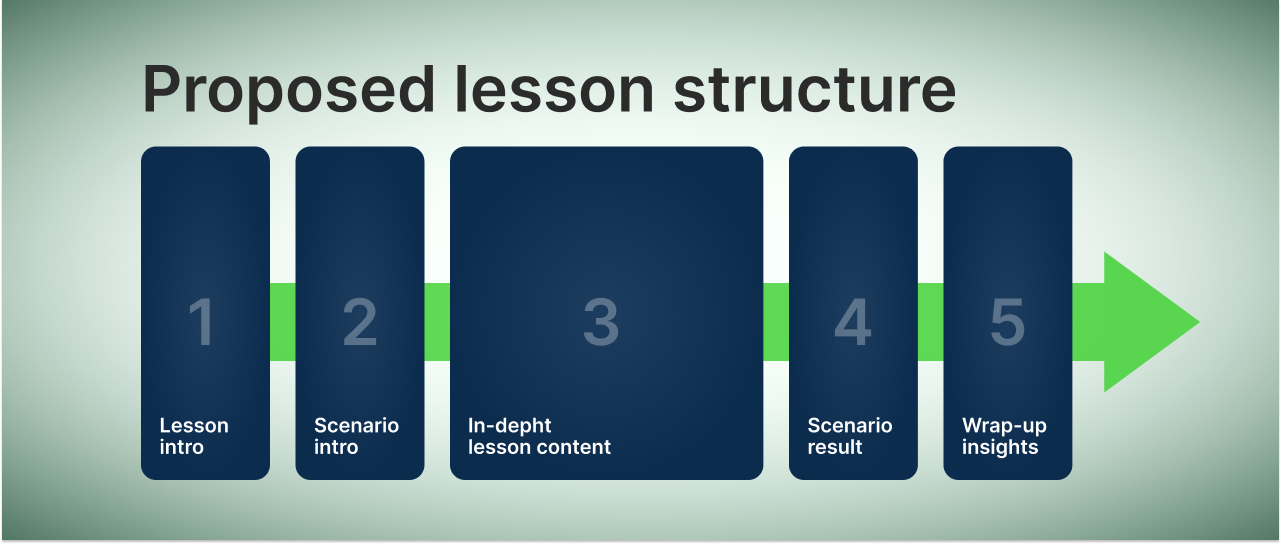
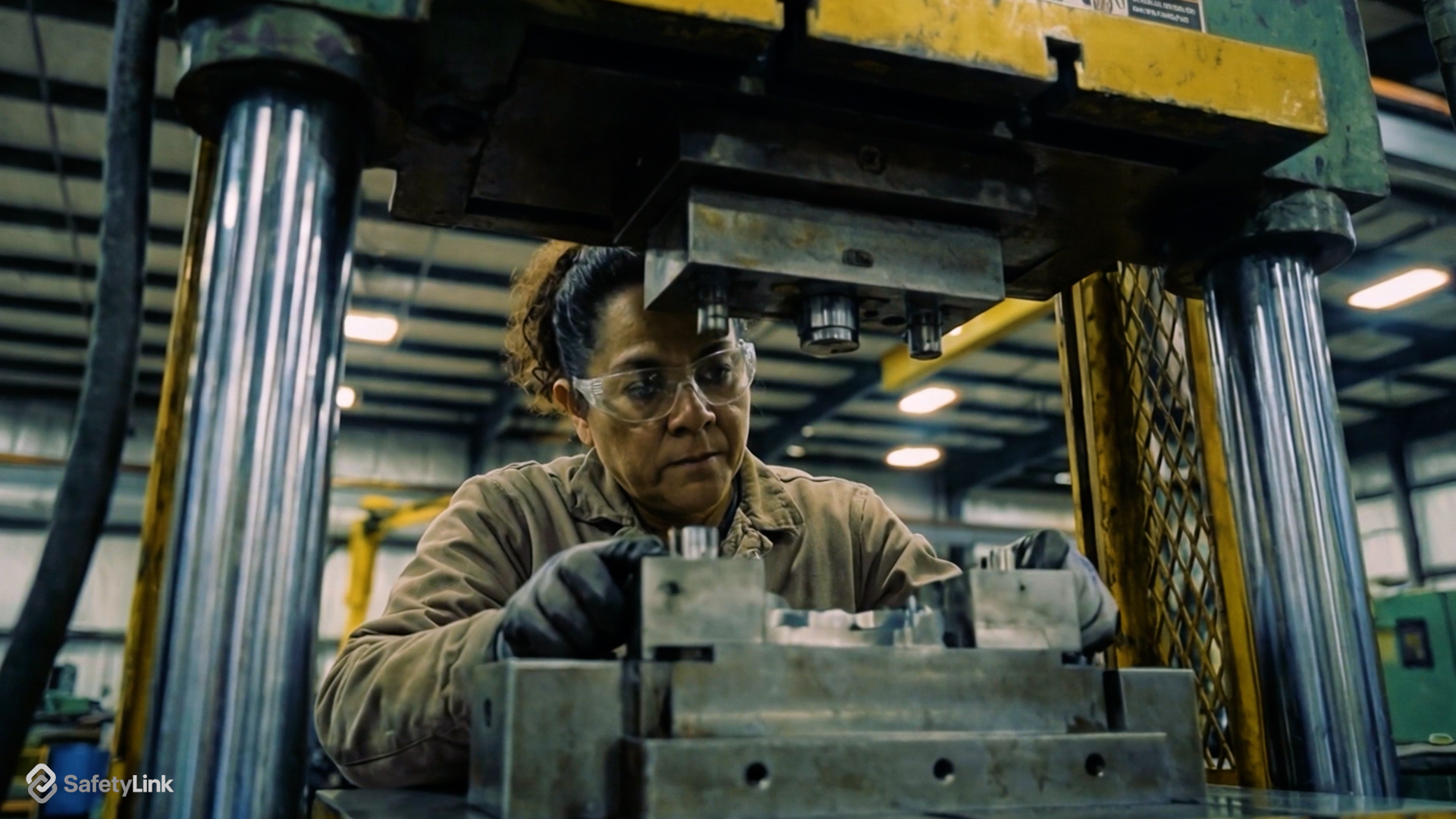
I completely restructured the curriculum using a “Scenario-First” framework. Instead of listing rules, I opened each segment with a high-stakes cliffhanger (e.g., a worker about to place their hand in a rotary machine). I then paused the narrative to deliver the specific safety content in a documentary style.
The mechanics
To keep the experience focused and memorable, I organized the content into three progressive cognitive layers. The goal was to prioritize the most actionable information while targeting the internal drivers behind unsafe decisions, not just compliance.
-
Stage 1 (Mindset): Why Mistakes Happen
Tackling complacency, routine drift, and “nothing ever happens” thinking. -
Stage 2 (Prevention): Control Before Contact
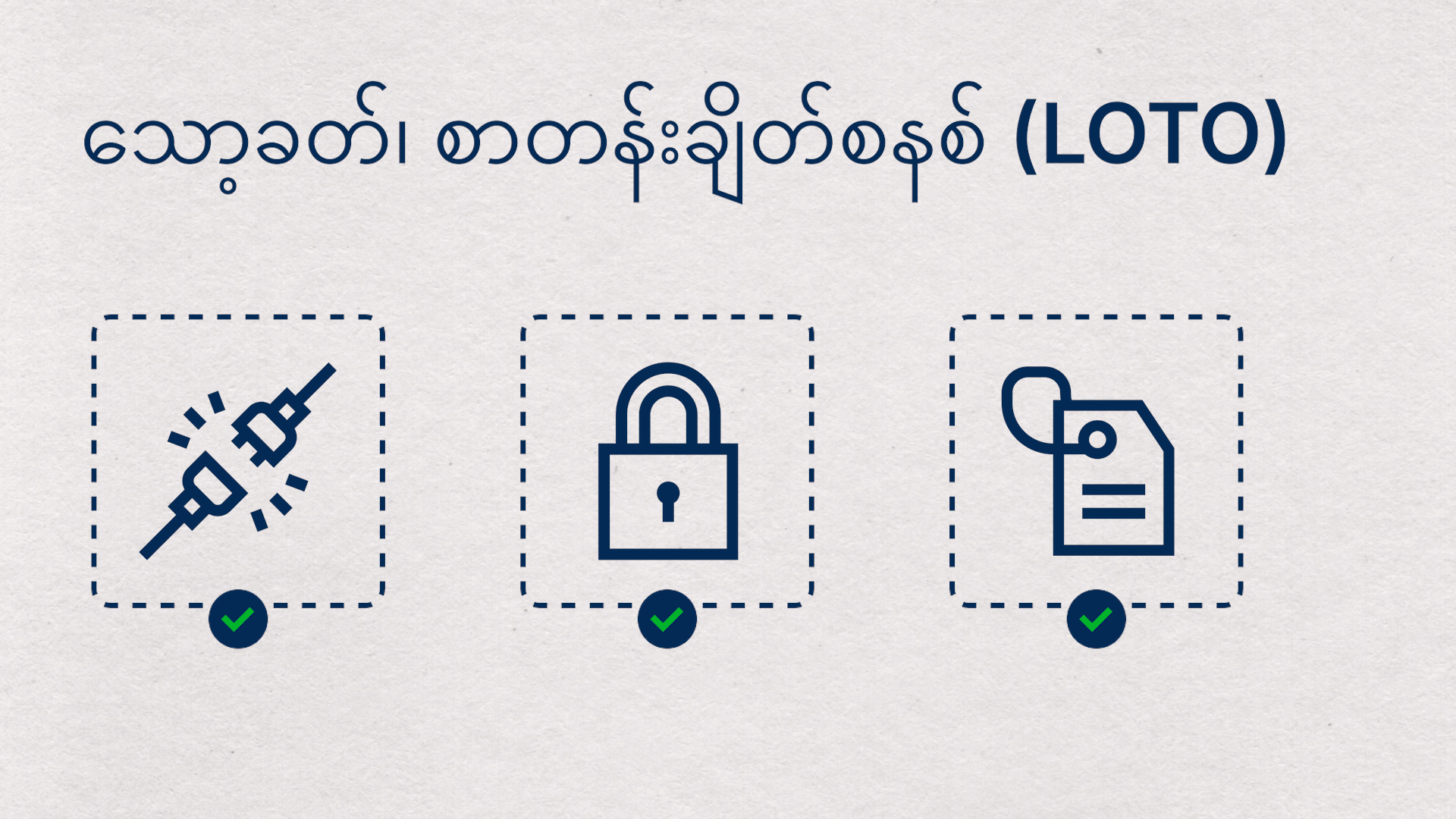
Practical control measures like Lockout/Tagout and machine guarding. -
Stage 3 (Action): When Something Isn’t Right
Reinforcing Stop Work Authority and how to act in the moment.
To reduce cognitive load, the video uses strict color coding to make meaning instantly recognizable: white for what to do, black for what not to do, and teal for transitions between lessons. All visuals were minimal, accessible, and designed to keep attention on the decision being made.
My Role
I led the project as a learning consultant and creative lead, diagnosing the gaps, defining the Scenario-First strategy, and aligning key stakeholders. I then rebuilt the curriculum, produced the full multilingual interactive video (GenAI visuals, editing, VO, localization QA), and deployed it as a SCORM module with tracked knowledge checks in the LMS.
The result
Impact: High-Fidelity Engagement
By replacing a dense information dump with a suspense-led, interactive format, we turned compliance training into something people actually watched. Cinematic, context-rich scenes held attention, and a 5-question knowledge check converted viewing into demonstrated understanding, giving the team a clear signal of comprehension instead of assumed completion.
Reach: 4-Language Localization with QA Controls
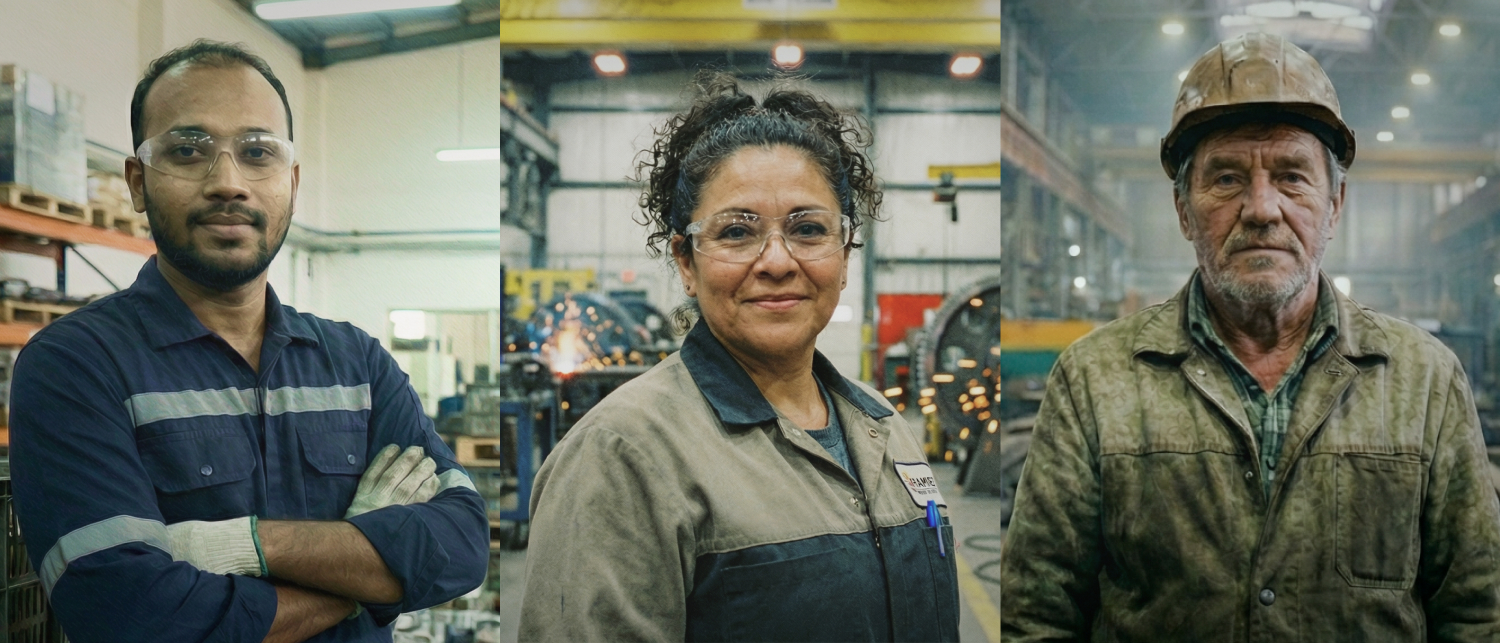
The experience was localized into English, Spanish, Korean, and Burmese. To reduce risk in complex scripts and safety-critical terminology, I implemented a 3-step QA workflow: AI translation, AI verification, and final reviews in bilingual tables with native-speaking factory workers to validate shop-floor wording and intent.
Architecture: A Scalable Video Engine
I established a repeatable design system (Lesson Intro → Scenario Preview → Color-Coded Content → Resolution → Wrap-up) that functions as a modular production framework. That structure makes future safety topics faster to build, consistent to review, and easier to localize across sites.
Project screengrabs
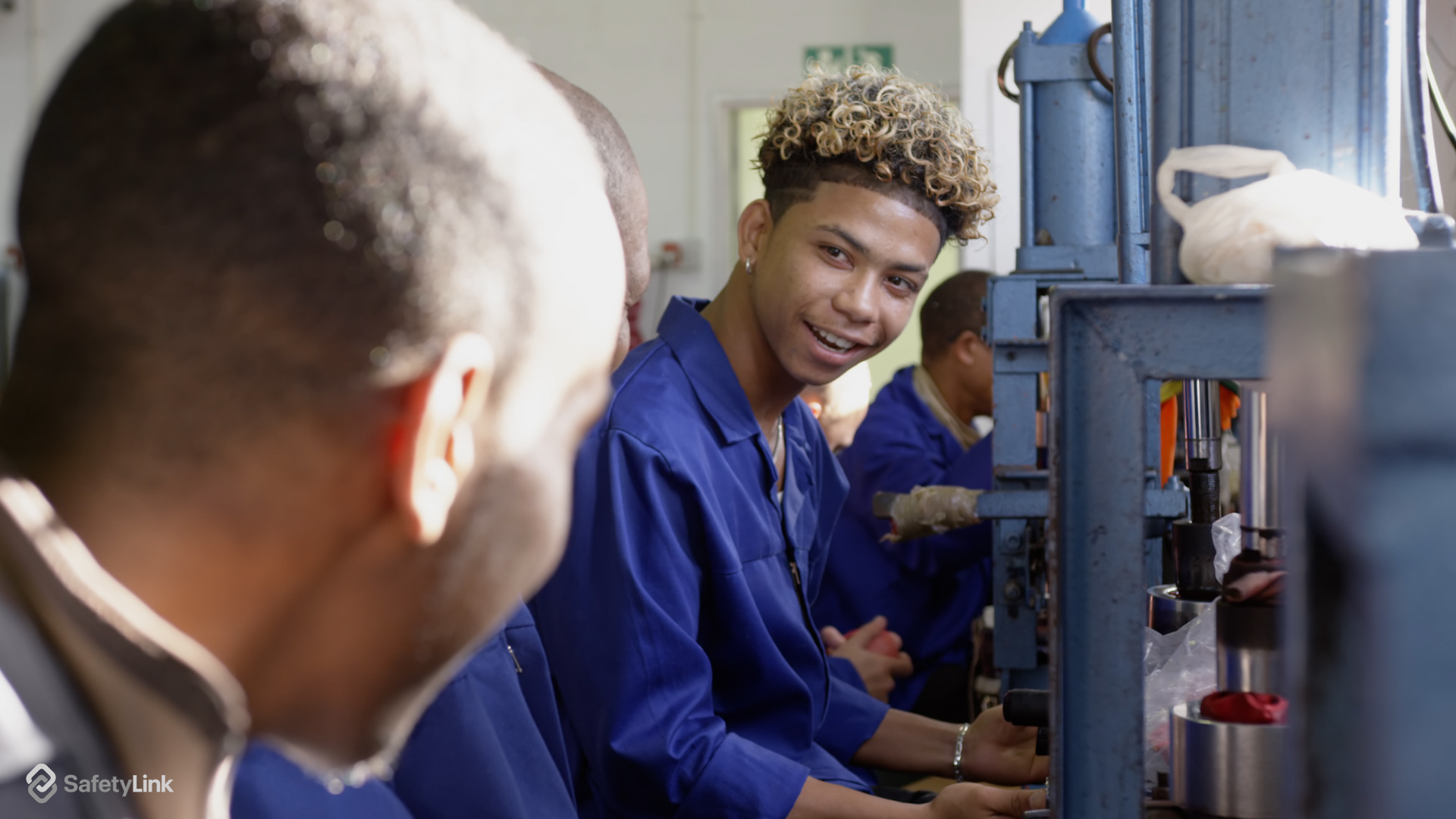
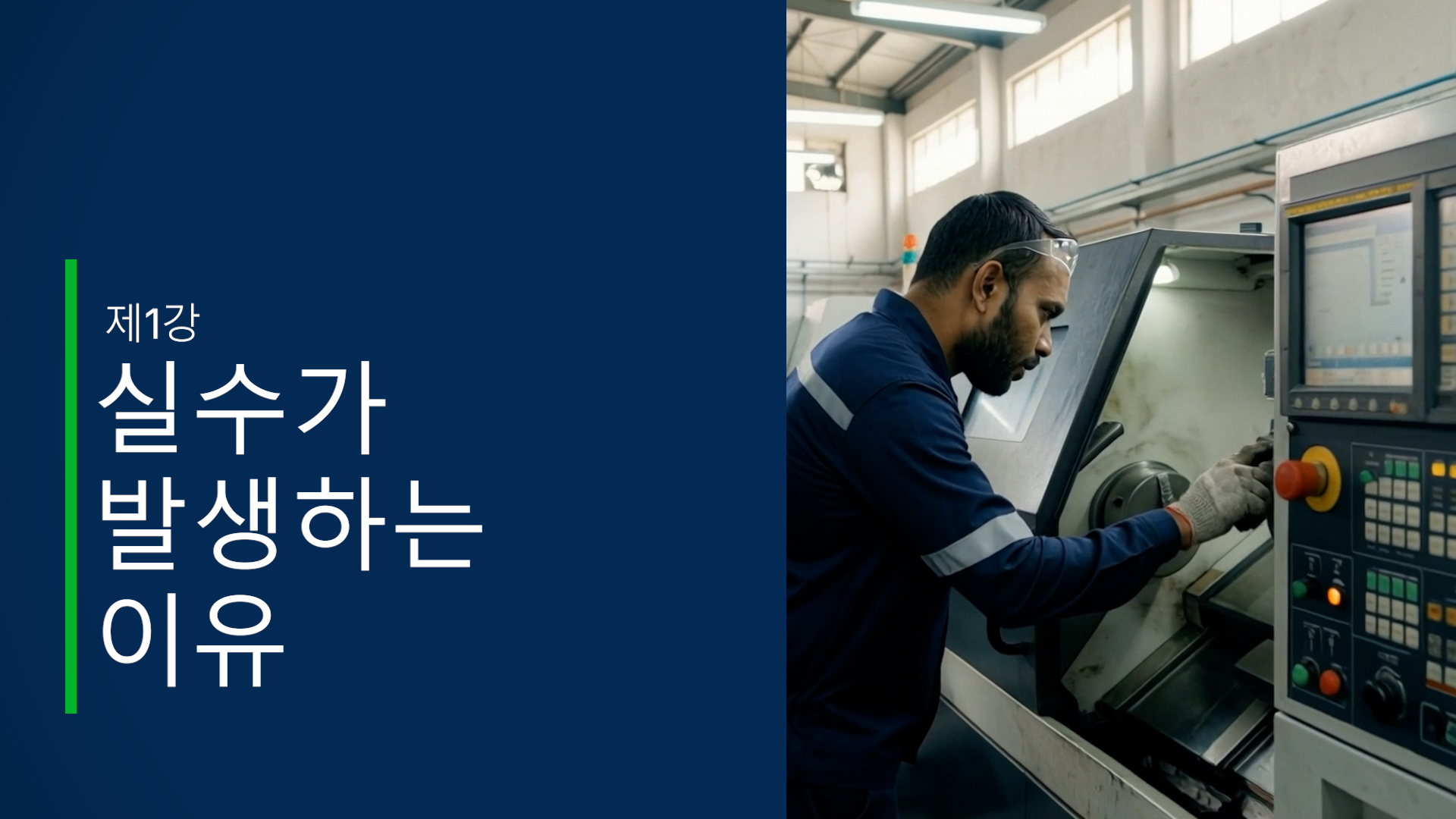
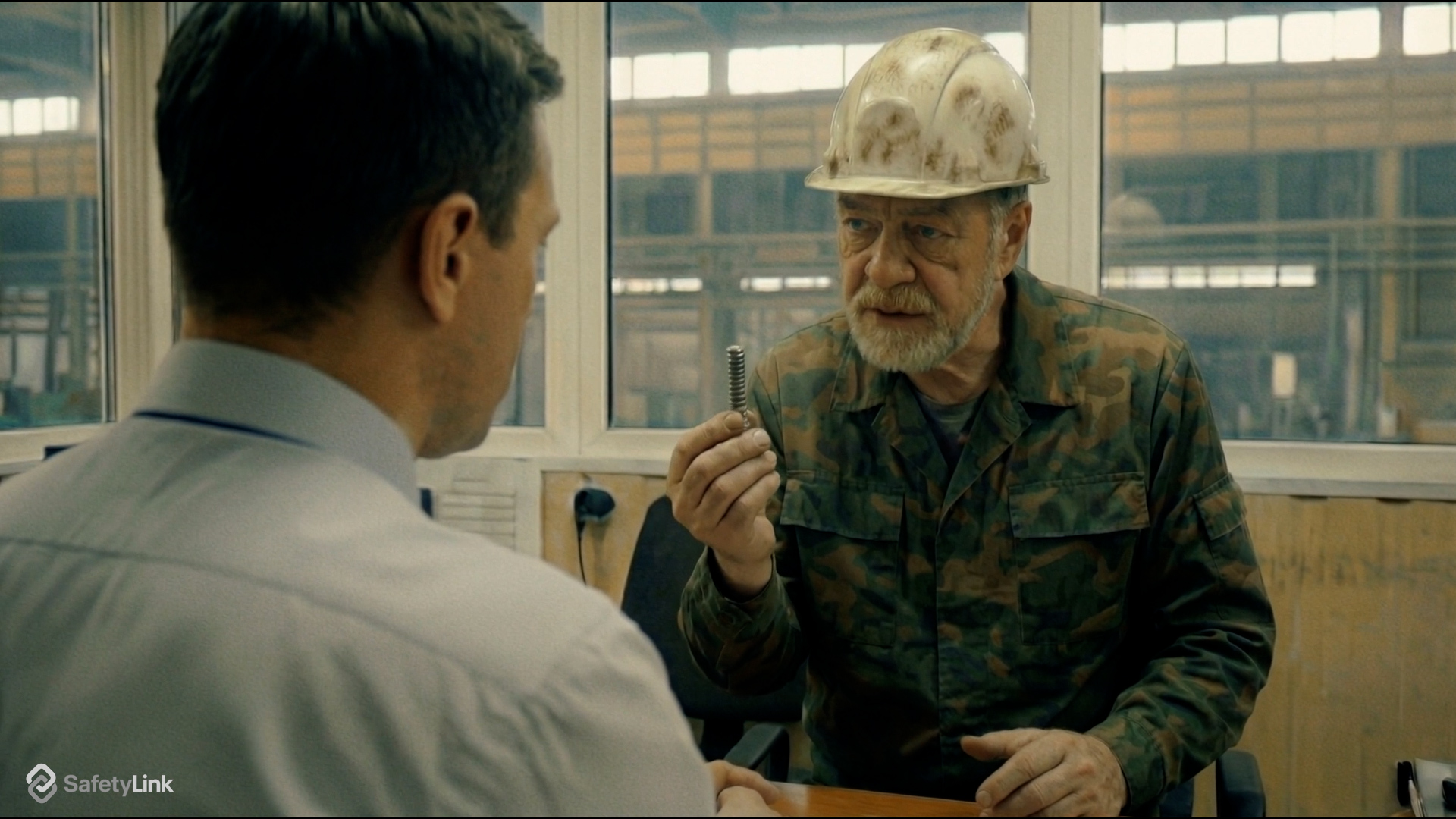
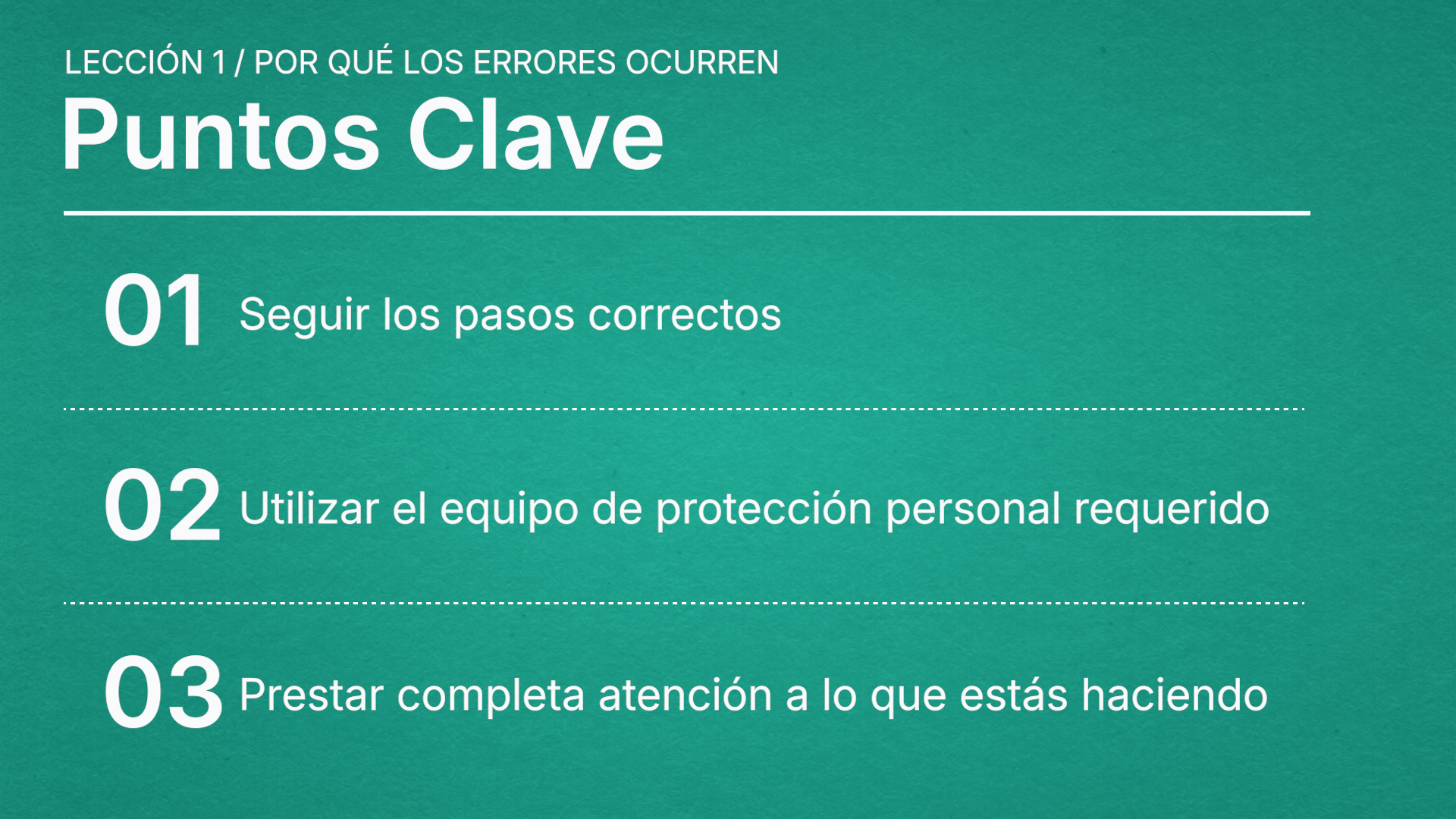
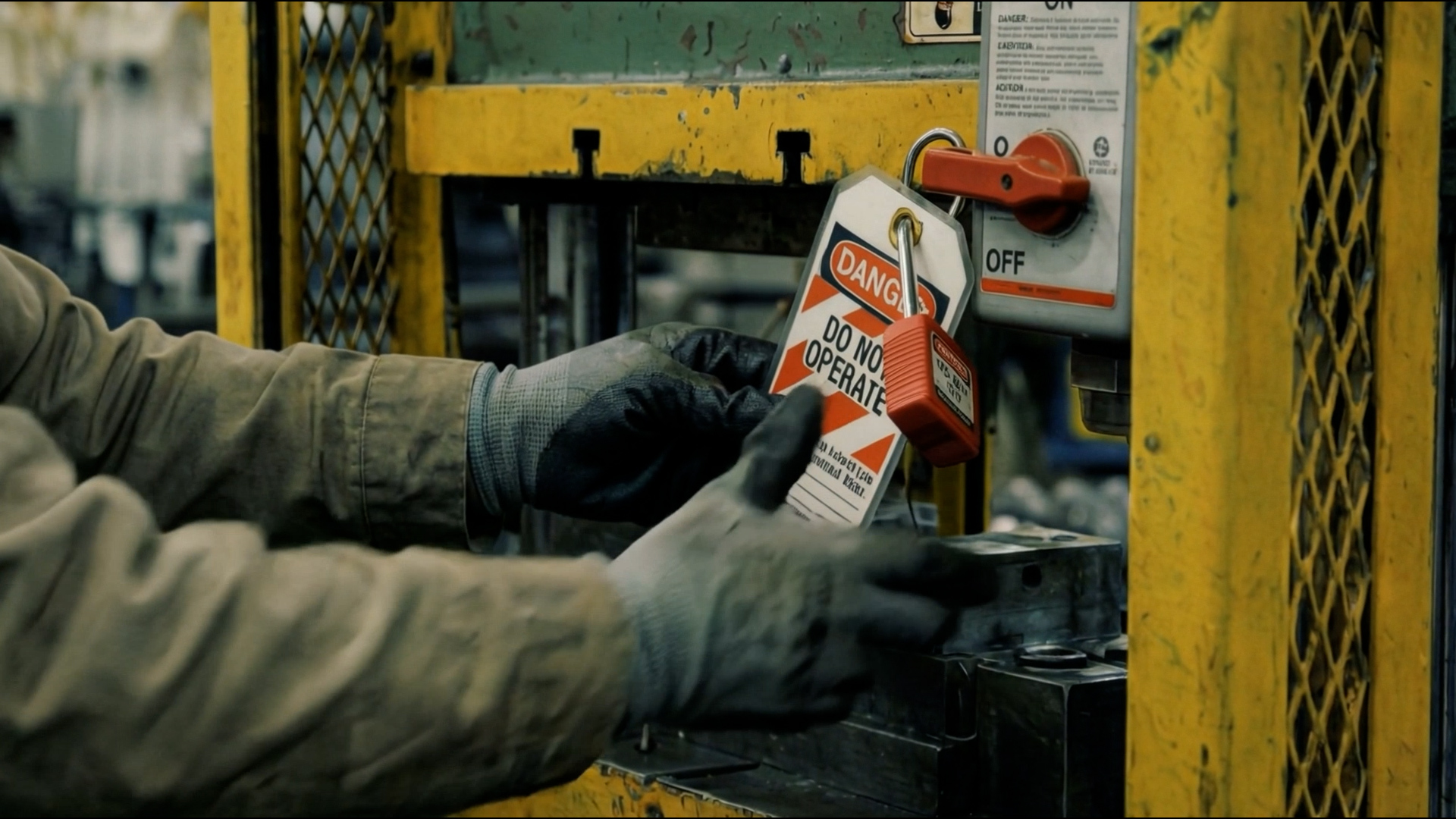
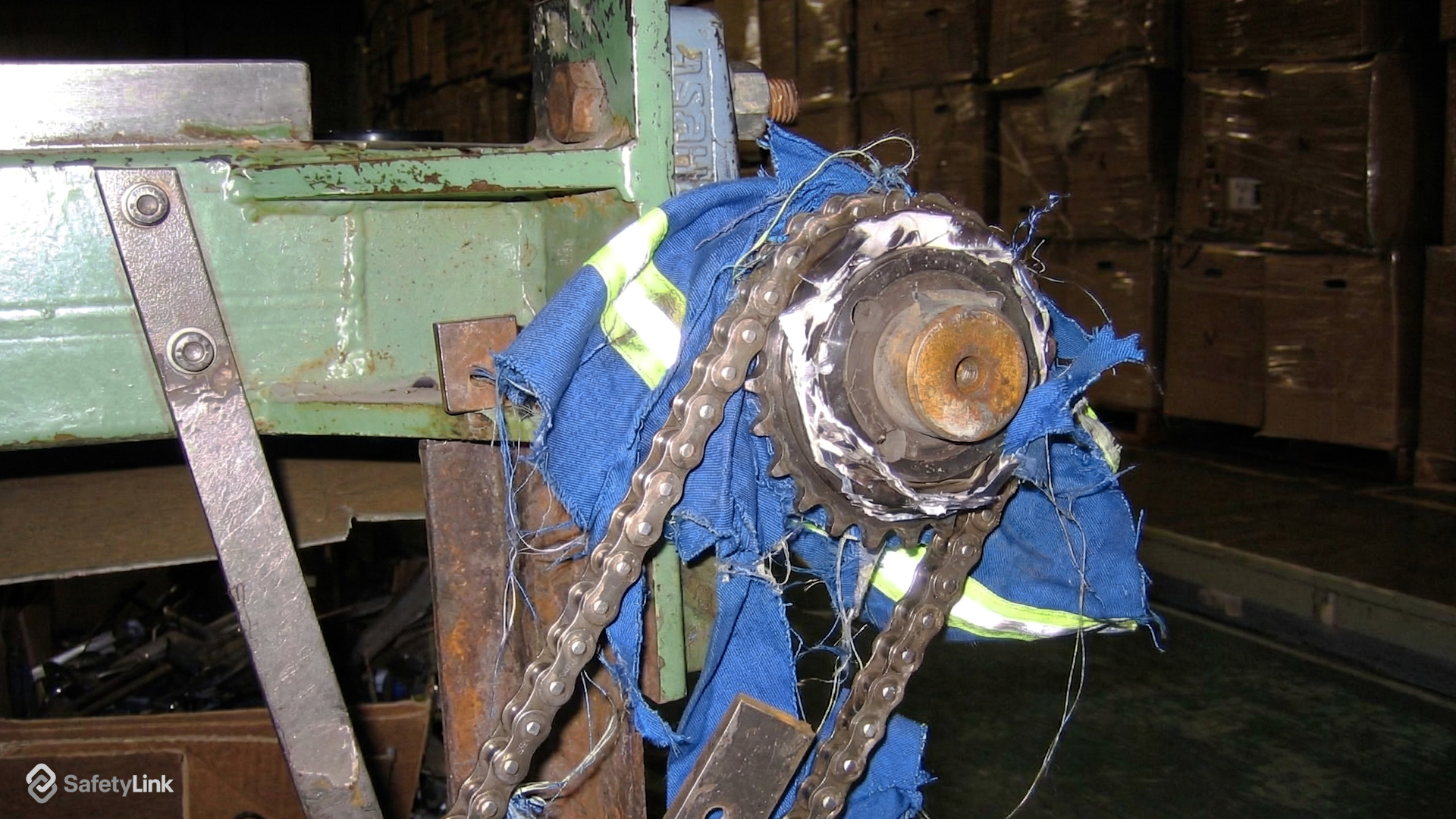
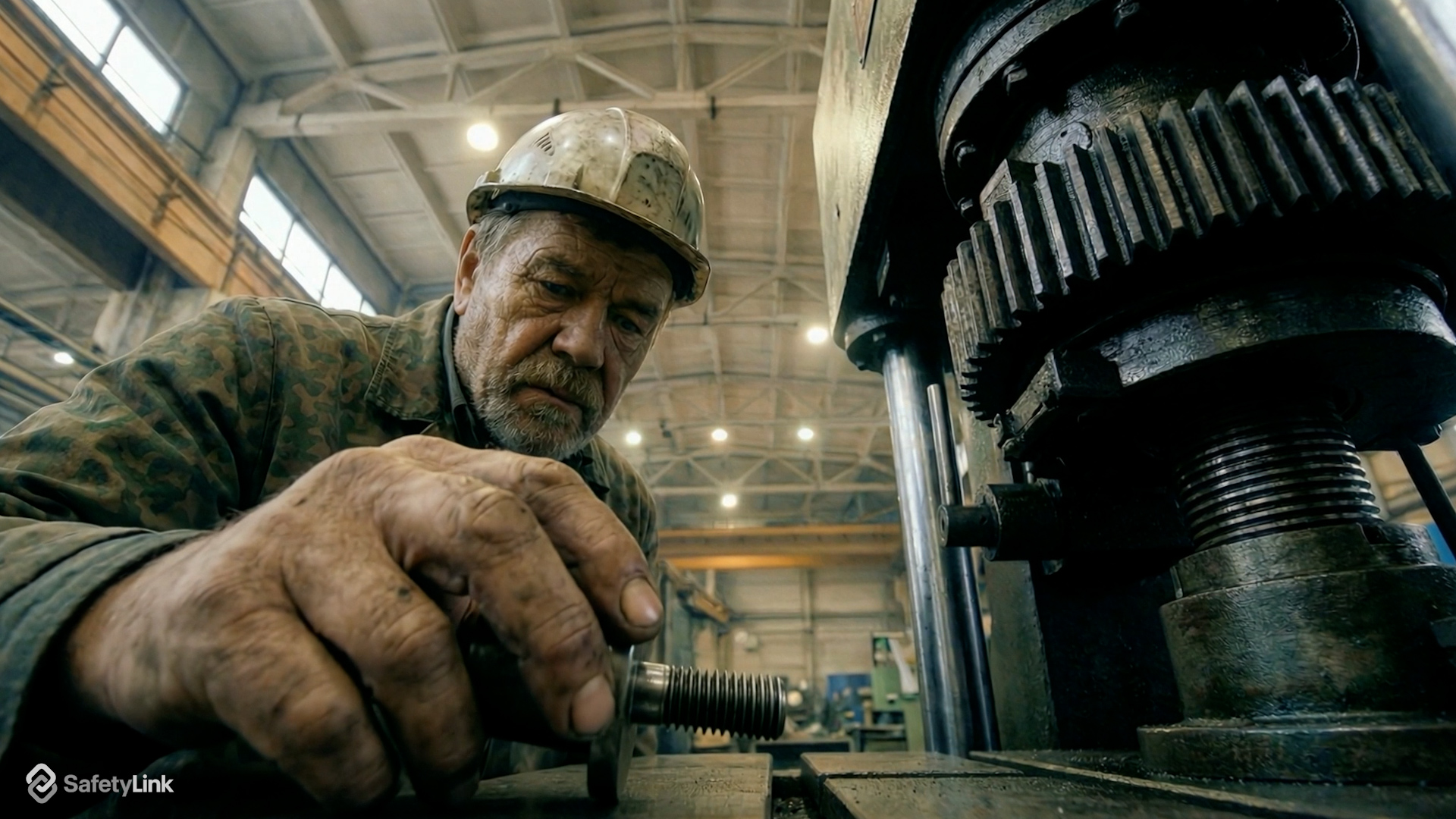

Looking for this level of quality?
I help teams build scalable, effective and engaging learning solutions. I’m currently available for new opportunities.